
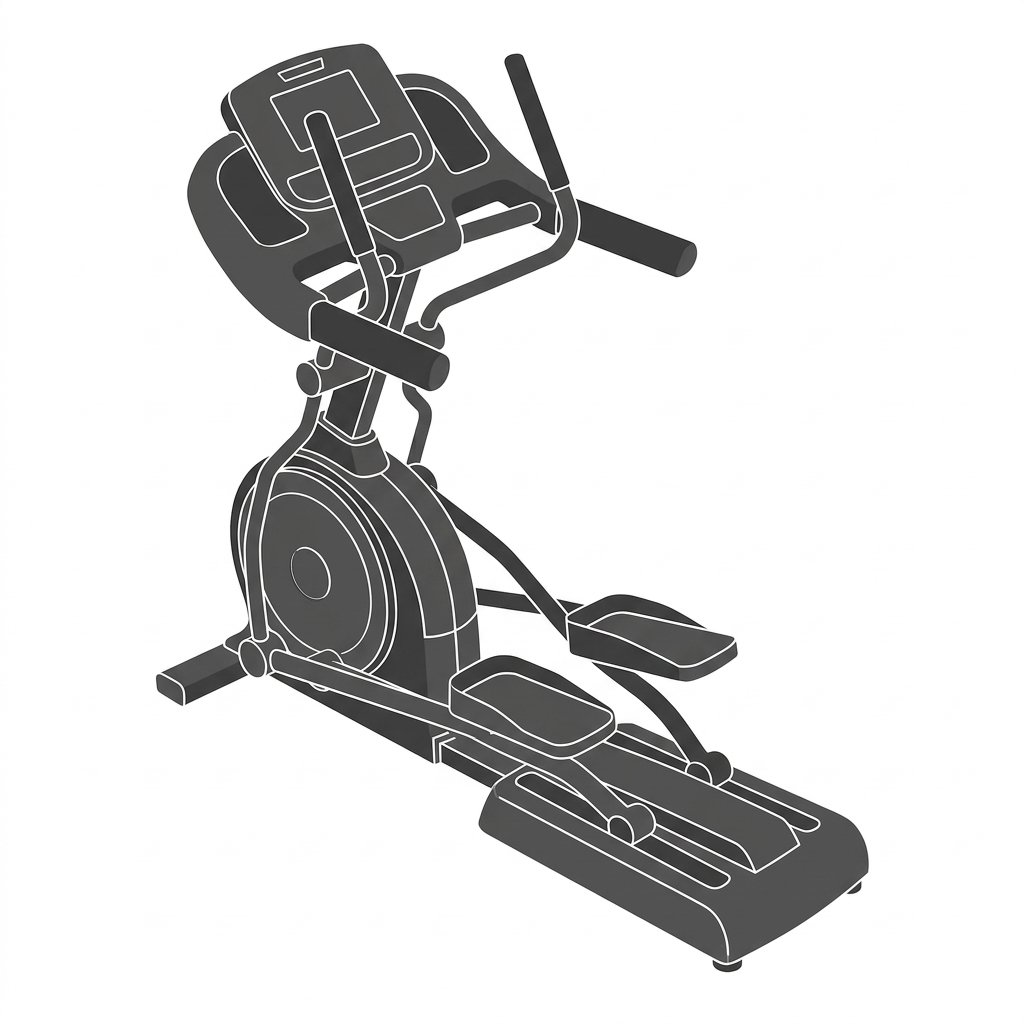
Recumbent Exercise Bikes Explained
Supported cycling, muscles worked and access
A recumbent bike places the rider in a supported seated position with the pedals in front, making it a practical cardio option for people who prefer back support.
What is a recumbent exercise bike and how does it work?
A recumbent exercise bike uses a wider seat and a backrest with the pedals positioned in front of your body. You push the pedals around a circular path while sitting back rather than balancing on a narrow elevated saddle.
Resistance can be raised or lowered to change effort. Most models are intended for controlled, steady cycling, although you can still cycle at different paces.
Some frames have a step-through gap that makes access easier. Others have a central bar or tighter seat clearance, so the equipment category does not tell you whether an individual machine is suitable for a person with limited mobility.
💡 Tip: For someone recovering from an injury, comfortable seating and low impact are only part of the decision. The permitted movement and load come first.
Health and safety information: This guide gives general fitness information, not a diagnosis, treatment plan or personal medical advice. A comparison rating cannot tell you whether a machine is safe for your specific health, disability or recovery needs.
If you have a recent injury or operation, persistent pain, a condition affecting exercise or difficulty getting on and off the machine, speak to your GP, physiotherapist or another qualified healthcare professional before starting. Follow the manufacturer’s instructions, use a manageable effort and stop if you feel pain, dizziness, chest discomfort or unusual breathlessness. Seek urgent medical help for serious symptoms.
Benefits of a recumbent exercise bike
The main benefit is the supported riding position. It can make indoor cardio more approachable for people who find a forward lean or a high saddle uncomfortable.
Why people use this machine
- Back support: A backrest reduces the need to hold the torso upright throughout the session.
- Seated, low-impact movement: The feet remain on pedals rather than striking the ground repeatedly.
- Potentially easier access: A lower seat and step-through design may be more manageable than mounting a spin bike.
- Sustainable steady cycling: Resistance can be kept light while building confidence, duration and stamina.
Recumbent cycling is still genuine leg exercise. The backrest does not remove resistance from the pedals; it changes how the body is supported and can shift the feel of the movement.
Access matters more than the category name: A recumbent bike with a clear step-through frame and swivel or adjustable seat may be easier for some people to use than one with a central bar. Check whether you can get into position and rise without twisting painfully or pulling on an unstable console.
Further evidence: A systematic review of stationary cycling in people with knee osteoarthritis found some improvements in pain and function. It does not amount to a recommendation to cycle through pain or to begin after surgery without advice. Read the supporting research.
Another useful source: A controlled study comparing recumbent, supine and upright cycle ergometry found differences at maximal effort and ventilatory thresholds. That shows riding position can affect performance measurements; it does not make supported exercise automatically less valuable. See the source.
Which muscles does a recumbent exercise bike work?
A recumbent bike mainly works the legs while your back is supported by the seat. The pedals sit in front of the body, so the muscles work through a different joint position from upright cycling. Having a backrest does not mean the legs stop working.
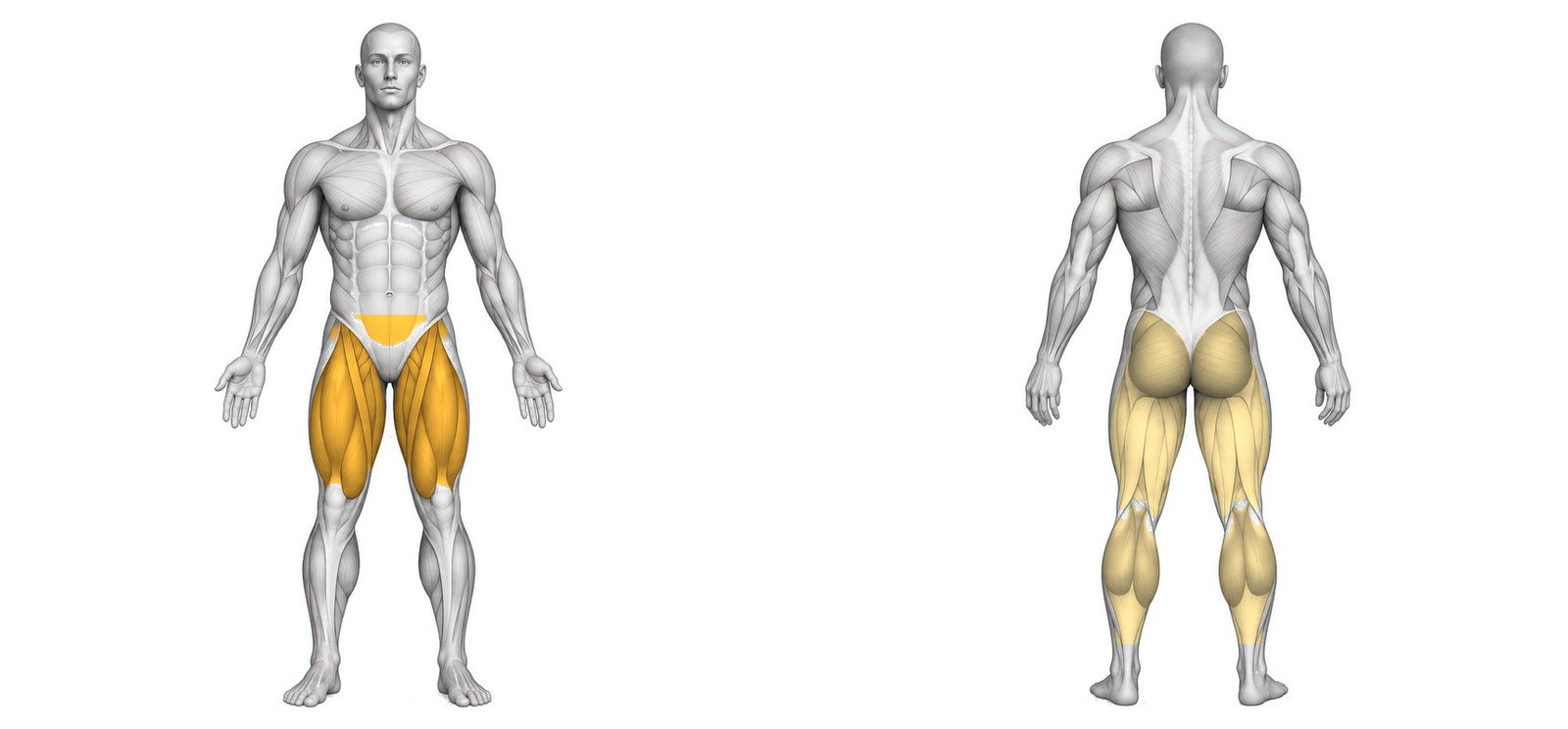
- Quads (front of thighs): Help extend the knees as you press the pedals away.
- Glutes (buttocks): Assist the hip movement during the pedal stroke.
- Hamstrings: Work with other thigh muscles to guide and control each revolution.
- Calves: Assist movement at the ankle and help transfer force through the foot.
- Core and hip stabilisers: Contribute to comfortable positioning, although the backrest provides much of the core support.
What the research says: A study comparing standard upright and recumbent ergometers found broadly similar activation in the selected lower-limb muscles at moderate work rates. This was a small experiment in healthy participants, not a trial proving that recumbent cycling is safe for every rehabilitation patient. Read the upright and recumbent cycling study.
Can a recumbent bike improve cardiovascular fitness?
A recumbent bike can still provide meaningful aerobic exercise. The backrest supports you while your legs work against resistance, so you can build a steady session without having to maintain standing balance.
It is not automatically an easy workout: resistance and pedalling speed determine effort. The supported position simply changes how the machine feels and how you access it.
Is a recumbent bike suitable for sensitive joints or rehabilitation?
Recumbent cycling avoids running-style foot impacts and supports your back. That may make it more comfortable for some people who struggle with standing machines.
After an injury or operation, check the range of knee or hip movement and any weight-bearing restrictions with your treating clinician. A backrest alone does not make it medically suitable.
Who is a recumbent exercise bike suitable for?
It helps to look beyond whether a machine is described as suitable for beginners or low impact. Consider the movement it asks you to make, whether you can get on and off comfortably and how your body responds.
Who it can suit
- People who prefer back support: The backrest helps maintain a supported seated position.
- Some people with limited mobility: Lower seats and step-through designs may be easier to access than high bike saddles.
- Anyone wanting gentler-paced cardio: Resistance can be kept light while building up session duration.
Who may prefer a different machine
- People very short on floor space: The seat and forward pedal assembly often need a longer area than an upright bike.
- Those seeking all-out standing intervals: The supported, fixed seated position is not designed for out-of-saddle efforts.
- Users who cannot comfortably bend a hip or knee: Even supported pedalling requires repeated joint movement.
Injury or surgery: A machine may be commonly used in some rehabilitation settings without being right for your injury, operation or recovery stage. The medical guidance for your circumstances takes priority over a general comparison rating.
How to use a recumbent exercise bike
Use the machine’s own safety instructions, and begin with control rather than intensity. These steps describe the usual movement, not a substitute for the instructions for a particular model.
Getting started
- Adjust the seat distance: Set the seat far enough from the pedals for a comfortable knee bend without reaching.
- Sit fully against the backrest: Keep your hips supported and avoid sliding forwards.
- Pedal gently at first: Check your knees track comfortably through a complete revolution.
- Slow down and stand carefully: Wait for pedals to settle and use the machine’s handles to rise if needed.
What to watch for: A recumbent bike is usually bigger on the floor than a conventional upright bike.
Supported does not mean suitable after every operation or injury. Range of motion and clinical instructions still govern what is appropriate.
The seat and frame vary widely, including the width of the opening and how easy it is to turn into the seat.
Back support has limits: A backrest provides support, but your legs still have to move through a repeated circular path and the hips still flex. People with restricted joint movement may need a reduced range or professional guidance, particularly soon after an operation.
Compare recumbent bikes with other equipment
Compared with an upright bike, recumbent cycling gives you a backrest and pedals further forward. Compared with a spin bike it usually has a less forward-leaning posture and lower-intensity design. Air bikes involve moving arms and legs together but need more coordination.
Comparing effort: You can still raise your breathing and heart rate on a recumbent bike by increasing resistance or pedalling rhythm. It tends to be less suited to standing sprints, but that does not make it ineffective. A consistent comfortable session can be more useful than a harder workout you cannot repeat.
Select up to two alternatives below. The first machine column stays fixed to this page, and the ratings explain typical equipment strengths, not personal medical suitability.
Compare with: Treadmills (1 of 2 selected)
Choose up to two other machines from the dropdown.
| Suitability | Recumbent bikes | Treadmills |
|---|---|---|
| Low-impact movement | ✓ Good fit | Walking: ✓ Good fitRunning: ✕ Not a typical strength |
| Full-body workout | ✕ Not a typical strength | ✕ Not a typical strength |
| High-intensity intervals | ✕ Not a typical strength | ✓ Good fit |
| Steady cardio | ✓ Good fit | ✓ Good fit |
| Accessible for limited mobility | ✓ Good fit | ✕ Not a typical strength |
| Compact footprint | ✕ Not a typical strength | ✕ Not a typical strength |
| Quiet workouts | ✓ Good fit | ✕ Not a typical strength |
Low-impact movement
Full-body workout
High-intensity intervals
Steady cardio
Accessible for limited mobility
Compact footprint
Quiet workouts
Why these ratings?
Recumbent bikes: A supported backrest and seated position often help people who need more stability. Most magnetic-resistance designs are quiet, but recumbent bikes usually occupy more floor space. Suitability after an operation or injury requires individual advice.
Treadmills: Treadmills suit sustained walking or running and hard intervals. Walking has less impact than running, but a moving belt and footfalls are noticeable, particularly when running. Most standard treadmills take up significant space and require good standing balance.
Ratings describe typical equipment, not every model. Quietness also depends on the room, flooring, intensity and maintenance. Low impact does not mean painless, and suitability after injury or surgery needs individual advice.
For suggestions based on how you prefer to move, your available space and whether quiet workouts matter, use the Fitness Equipment Finder.
FAQ
Are recumbent bikes good for limited mobility?
They can be, especially low, step-through models with a backrest. The individual frame and a person’s needs still matter.
What muscles does a recumbent bike work?
Mainly the quads, glutes, hamstrings and calves, plus smaller muscles assisting the pedal movement.
Is recumbent cycling a proper workout?
Yes. Resistance and duration can raise cardiovascular effort even in a supported seated position.
Can recumbent bikes help with knee pain?
Stationary cycling is used in some rehabilitation plans and has research support in knee osteoarthritis, but it is not suitable for every injury.
Is a recumbent bike quieter than a treadmill?
Many magnetic models can be relatively quiet because there is no repeated foot landing. Actual noise depends on the machine.
Do recumbent bikes take up much room?
Typically more floor length than upright bikes because the pedals sit in front of the seat.
Can I use a recumbent bike after surgery?
Only when your surgeon or physiotherapist has advised that pedalling and the required joint movement are appropriate.
Can you get fit on a recumbent bike?
Yes. Regular seated cycling can help build aerobic fitness when the pace and resistance provide an appropriate challenge.
Do recumbent bikes work the abdominal muscles?
Your core helps with stability, but the backrest supports your body while your legs do most of the work.
Author: Ian Smith For the past five years I’ve worked in marketing for one of the UK’s leading fitness equipment brands. During this time I’ve learnt a thing or two about fitness equipment: what’s out there and commonly asked customer questions. I also regularly used the equipment myself and would help test out new products. LinkedIn profile
Affiliate Disclosure: This page contains affiliate links. If you click through and buy something, I may earn a commission at no extra cost to you – this doesn’t affect my opinions and reviews. As an affiliate I earn from qualifying purchases.